
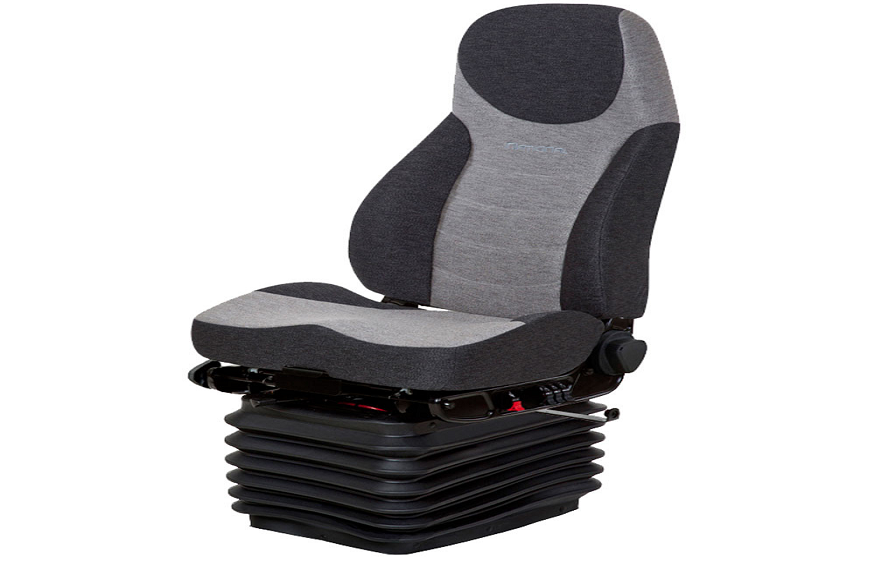
The cab of a heavy-duty truck is one of the most demanding work environments in the modern economy. While the engine provides the power and the tires provide the grip, it is the driver’s seat that serves as the primary interface between the human operator and the machine. For long-haul truckers, this seat is more than just a place to sit; it is a critical piece of medical and safety equipment. Over the course of a career, a driver may spend tens of thousands of hours in this singular position, making the quality of that seating a decisive factor in their physical health, mental clarity, and professional longevity.
The Biomechanics of the Sitting Driver
The human body was designed for movement and variety, but the life of a long-haul driver is characterized by static loading. When a person sits for extended periods, the pelvis rotates backward, causing the natural inward curve of the lower spine to flatten. This misalignment shifts the weight of the upper body onto the sensitive intervertebral discs rather than the bony structures of the spine. In a standard, non-ergonomic seat, this pressure is often uneven, leading to premature wear, herniation, and chronic nerve compression.
Truck seats specifically engineered for long-haul health address this by providing adjustable lumbar support. This feature allows the driver to fill the gap between the seat back and their lower spine, maintaining the natural S-curve of the back.
Neutralizing the Impact of Whole Body Vibration
One of the most unique challenges of truck driving is the constant exposure to whole-body vibration. As a truck traverses highways, the vibrations from the road surface, the massive engine, and the drivetrain travel through the chassis and into the seat. These vibrations are not merely uncomfortable; they are a known health hazard. Prolonged exposure to low-frequency vibration can lead to digestive issues, headaches, and a condition known as vibration-induced spinal degeneration.
Modern truck seating systems utilize advanced air-suspension technology to create a buffer between the driver and the vehicle. These systems use a pressurized air bladder and shock absorbers to dampen vertical movement. By isolating the driver from the jolts of potholes and the steady hum of the engine, the seat prevents these mechanical forces from being absorbed by the driver’s joints and internal organs. This isolation is essential for preventing the “micro-trauma” that accumulates over weeks and months on the road, eventually leading to long-term disability if left unaddressed.
Circulation and the Risks of Immobility
A major concern for any professional who spends their day seated is the restriction of blood flow to the lower extremities. The weight of the body pressing against the edge of a seat can act like a tourniquet, slowing the return of blood from the legs to the heart. This can lead to edema, where fluid pools in the ankles, and more seriously, deep vein thrombosis. Furthermore, poor circulation contributes to a feeling of lethargy and “brain fog,” as the body’s overall oxygen transport becomes less efficient.
To combat this, premium national truck seats feature contoured cushions with “waterfall” front edges that slope downward to remove pressure from the back of the knees. High-quality foam materials and breathable upholstery further assist by distributing the driver’s weight across a larger surface area, eliminating the high-pressure hot spots that cause discomfort and numbness. Some of the most advanced seats even incorporate active cooling and heating elements, which help regulate body temperature and stimulate surface-level circulation, keeping the driver comfortable and alert regardless of the weather outside.
Designing for the Future of Transport
As we look toward the future, truck seats are becoming even more integrated with the overall health of the driver. We are seeing the introduction of “smart seats” that can monitor a driver’s heart rate and breathing patterns, alerting them if they show signs of extreme fatigue or a medical emergency. Some seats now use sensors to detect poor posture and provide subtle haptic feedback to encourage the driver to sit correctly.
Ultimately, the evolution of the truck seat reflects a growing understanding that human health is the foundation of the transport industry. By prioritizing ergonomics, vibration dampening, and circulatory health, we are ensuring that the men and women who keep our economy moving can do so without sacrificing their long-term well-being. A career on the road should be sustainable, and that sustainability starts with the very seat where the journey begins.